Developer: Question
Publisher: Question
Rrp: £14.99 (Steam), £15.49 (Humblebundle)
Released: 9th July 2015
Available on: Steam, humblebundle
Played Using: Mouse and Keyboard
The world is broken, not because of some great calamity or war but simply because it was never finished. The gods themselves bicker over what should go where or even what the world should be.
Something has to change, the world yearns to be whole.
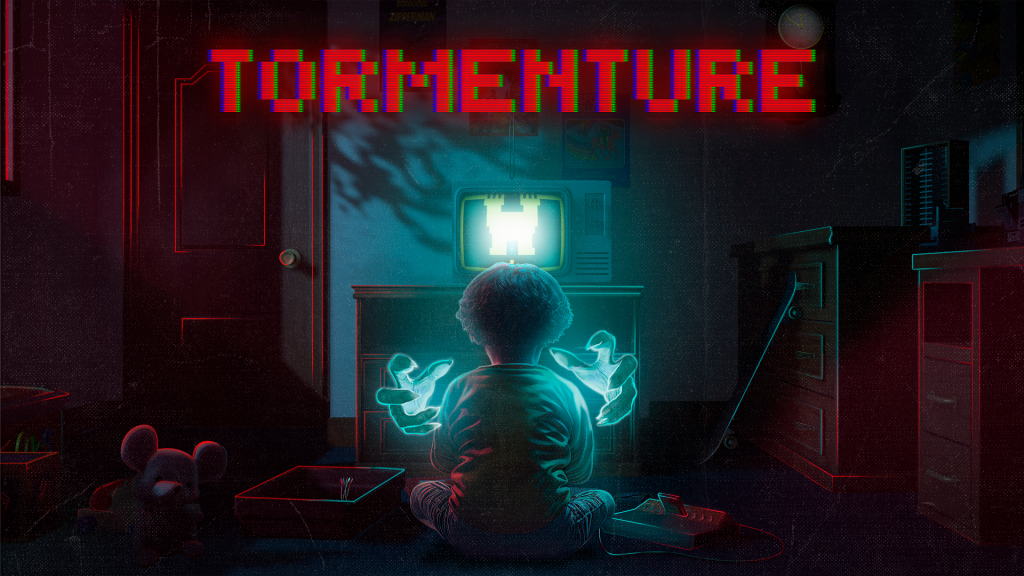
This game is… Well, it’s definitely a meta game being delivered by way of a walking simulator, although calling it that feels very reductive as you do a lot more than merely walking.
The general premise is that you are a playtester for a game that’s been in development hell for a very long time (twenty years, I think they said).
The game comes with intentional… mistakes? Bugs? I’m not sure what to call them. For example, early in the game you can reach an area that you clearly weren’t meant to, except there’s a sort of reward there which implies that you were. The reward is text log of a conversation between two designers discussing the fact that the area is accessible and shouldn’t be. This is what’s so interesting about this game, it takes a lot of skill to craft a game that intentionally implants bugs and bad design then makes use of them… which paradoxically means the bad design is good design and the bugs are features. Because if this the whole game felt like a class in lazy game design.
As I just mentioned there are chat logs to collect, in fact those are just one of a few things to find in the world. Being that this a indie game and that the game world itself is quite small there aren’t that many to hunt down. There is a point to finding all the commentaries etc beyond expanding on the story, but I can’t tell without spoiling the end of the game.

As you wander the world you’ll discover that parts of the world have been deleted, you can restore these sections but doing requires using up ‘life’. Life is a power source found in the world, if you find one of these cracks you can refill your life bar to full (it also acts as a fast travel point on the map, yep that’s a thing too). Thing is the life bar is also well… a life bar, as in its YOUR life bar, get hit while its very low and you die, although death isn’t a big deal.
Death or ‘ghosting’ as the game calls it, is a important part of the game. When you die you get to explore the world without interference from other creatures or the environment. This can allow you to find new places that would ordinarily be out of reach to you.

You can also edit the abilities and attributes of certain objects and enemies you find in the world. You can make enemies friends, change the way they attack and who they attack, along with a few other things. You can also completely strip a creature of all its attributes and attach them to another creature.
Just when you think the game has ended, after having taken some strange twists I didn’t see coming, the game throws you one more surprise. A level editor, don’t be fooled though this isn’t a reward for completing the game, no, no, no. This is the final mission, and to be honest it was actually quite engaging and simple to understand.

This is quite a short experience but in my mind its well worth the money, it really is something worth experiencing. This game should appeal to anyone with even a passing interest in games design or the games industry as a whole as this game is something of a commentary on video games, player agency, game design, creativity, the development process and expectation (or the tempering of them).
If this appeals to you perhaps try;